

Hot yoga’s popularity has more to do with marketing than with ancient yogic wisdom.
The Truth About Hot Yoga: More Hype Than Health?
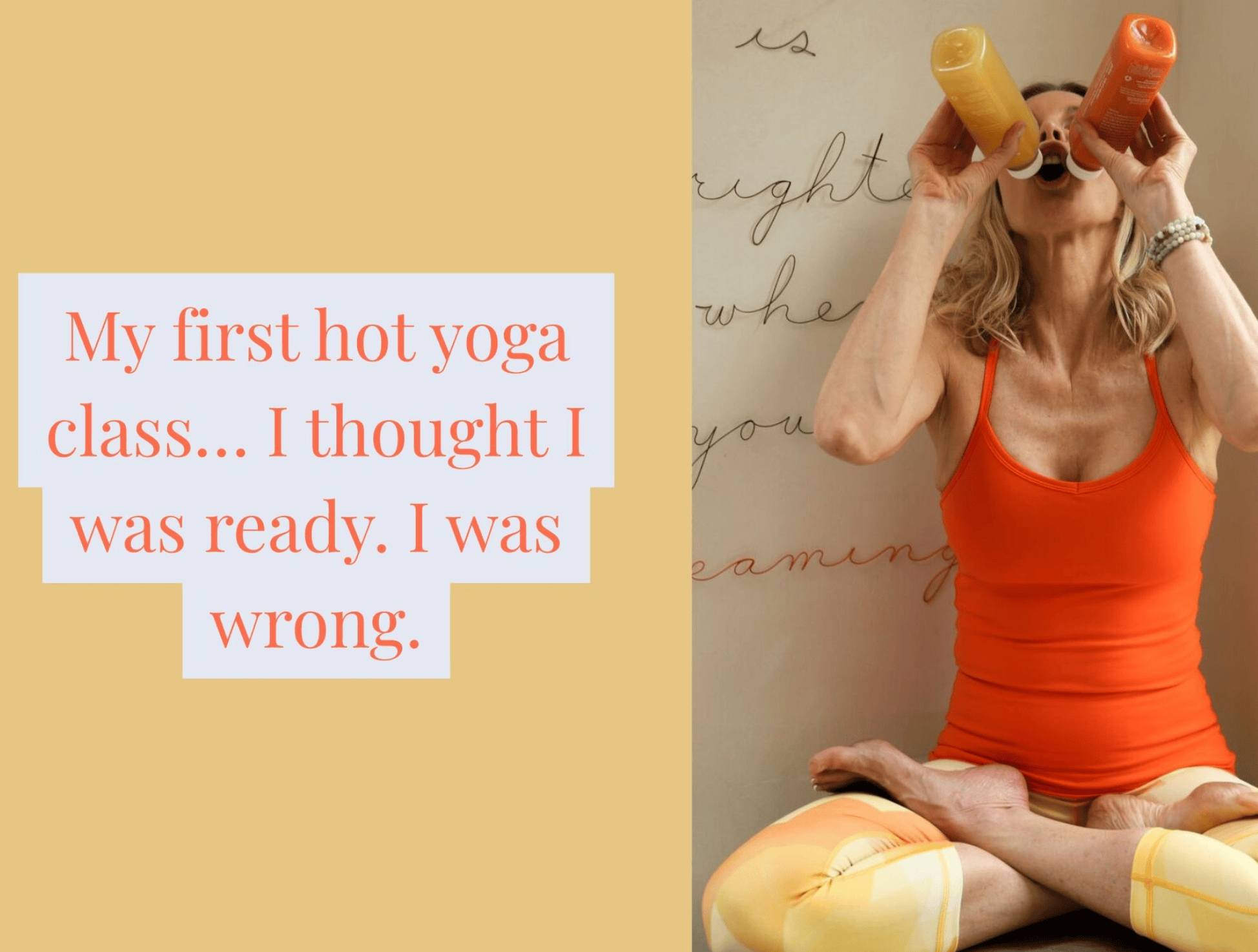
Back in the 1990's
Even in Mysore, India, where Jois taught, practice traditionally began in the cool, pre-dawn hours. The body’s warmth was earned through movement and breath, not given by the thermostat.
Fast forward to 2006
Overheating can mask your body’s true limits, create a false sense of flexibility, and increase the risk of injury. Worse, it bypasses one of yoga’s most important benefits — calming and regulating the nervous system.
In traditional practice, warmth is generated internally through Sun Salutations, core work, sustained standing poses, and mindful breath. This approach supports joint health, prevents overstretching, and keeps the practice safe and sustainable. For some — including pregnant or menopausal women, children, and those with blood pressure concerns — hot rooms can even be dangerous.
My mission is to help you practice yoga properly for a lifetime. Longevity means keeping your body strong, mobile, and balanced for decades to come — without wearing it out along the way.

Yoga is a vast, rich tradition — far more than the temperature of the room.
If you love hot yoga and it works for you, I’m not here to take it away. My hope is simply that we remember the roots of this practice, where heat was cultivated from within, in service of focus, safety, and transformation.
When we strip yoga down to its marketable trends, we risk losing the very essence that makes it so powerful: its ability to meet us where we are, nurture our nervous system, and sustain us for a lifetime.
So whether you practice in a warm studio, at home, or under the open sky, I invite you to try slowing down, listening in, and letting your own breath be the source of your fire. That’s where the real yoga begins — and that’s the kind of practice that will be with you for decades to come.
